
Ever dreamt of waltzing into a casino and instantly spotting that one ‘loose’ slot machine, practically begging to shower you with winnings? The allure is undeniable. But let’s be honest: the idea of a slot machine being fundamentally “loose” is a myth. Casinos aren’t in the business of giving money away! However, the good news is that some machines do offer a greater chance of payouts than others.
Forget hunting for a magical lever on a specific machine. This isn’t about luck; this is about understanding the mechanics. This guide will equip you with the knowledge to identify slot machines with the potential for better payouts. We’ll dive into the real indicators: Return to Player (RTP), volatility, and hit frequency. These three elements, when understood, provide a far more reliable compass than any rumor of “loose slots.” Understanding these key concepts can boost your chances of winning.
Consider this your expert-level briefing on maximizing your chances at the slots. It’s not a golden ticket to riches, but it’s certainly a more strategic approach than simply hoping for beginner’s luck and help you find the best slot for you!
Understanding Slot Machine Basics (RTP, Volatility, RNG)
Delving into the world of slot machines can feel like stepping into a maze of flashing lights and spinning reels. But beyond the captivating visuals, there are core concepts that dictate how these games operate and, crucially, how they pay out. Understanding Return to Player (RTP), Volatility (sometimes called Variance), and Random Number Generators (RNGs) is essential for any player looking to make informed decisions. These elements aren’t secrets, but rather the fundamental building blocks that determine your chances of winning.
RTP, or Return to Player, is arguably the most straightforward of the three. It represents the percentage of all wagered money that a slot machine is programmed to pay back to players over the long haul. For instance, a slot boasting a 96% RTP theoretically returns $96 for every $100 wagered. It’s important to remember the “long haul” aspect. RTP is calculated over millions, even billions, of spins, not a single session. Therefore, while a higher RTP suggests better odds, it doesn’t guarantee immediate profit.
Volatility (or Variance) adds another layer of complexity. It describes the risk associated with playing a particular slot. High volatility slots tend to offer less frequent but larger payouts. Imagine hitting a jackpot – that’s the hallmark of high volatility. Low volatility slots, conversely, provide more frequent but smaller wins. These slots are ideal for players who prefer a steady stream of rewards and are less interested in chasing massive wins. Choosing between high and low volatility depends on individual risk tolerance and playing style.
The Role of RNG in Fair Play
At the heart of every modern slot machine lies the Random Number Generator (RNG). This sophisticated algorithm is responsible for generating completely random sequences that determine the outcome of each spin. It ensures that every spin is independent and unbiased, free from any predictable patterns. The RNG is continuously running, even when the machine is not in use, generating thousands of numbers per second.
To guarantee fairness, RNGs are rigorously tested and certified by independent auditing agencies. These agencies put the algorithms through a battery of tests to ensure they produce truly random results. When choosing a slot, look for certifications from reputable bodies. This assures you that the game’s RNG has been vetted and deemed legitimate, providing a level playing field and eliminating any suspicion of manipulation.

Decoding Paytables and Symbol Combinations
The key to unlocking the potential of any slot game lies in understanding its paytable. This vital resource details the value of each symbol, how payouts are structured, and what combinations trigger bonus features. Learning to interpret a paytable allows players to make informed decisions and maximize their chances of winning.
Every symbol in a slot game has a specific value, with some being significantly more valuable than others. The paytable clearly identifies the high-paying symbols, displaying the payout awarded for landing various combinations of these icons on active paylines. For instance, landing five ‘Jackpot’ symbols across a payline might trigger the game’s top payout.
Beyond standard symbol payouts, paytables detail the role of special symbols like scatter symbols, wild symbols, and bonus symbols. Scatter symbols often trigger payouts regardless of their position on the reels and frequently activate bonus rounds or free spins. Wild symbols substitute for other symbols to create winning combinations. Bonus symbols unlock unique mini-games or features that enhance the gameplay experience and payout potential.
Symbol combinations are the backbone of slot payouts. Landing specific combinations of symbols along active paylines results in a win. Bonus rounds and free spins can significantly increase payout potential by multiplying winnings or offering additional opportunities to land winning combinations. Many games also feature progressive jackpots, where a portion of each wager contributes to a continually growing prize pool linked across multiple machines, with the potential to award life-changing sums.
Understanding Hit Frequency
Hit frequency refers to how often a slot game results in a winning combination. Unlike Return to Player (RTP), which indicates the percentage of wagered money paid back to players over time, and volatility, which describes the risk associated with a game, hit frequency focuses solely on the frequency of wins.
A game with a high hit frequency will produce frequent, smaller payouts, creating a sense of consistent wins. Conversely, a low hit frequency game pays out less often, but those wins may be larger. The choice depends on player preference, with some enjoying the thrill of frequent wins, while others prefer the chance of a substantial payout, even if less frequent.
Observational Strategies: What to Look For
Unlocking the secrets of slot machines involves more than just luck; keen observation can significantly improve understanding of potential payout patterns. Observational techniques can reveal subtle clues, transforming your approach and enhancing your chances. Begin by scoping out the casino environment.
If available, look for machines with prominently displayed RTP (Return to Player) information. This number, usually expressed as a percentage, indicates the average amount a slot machine pays back to players over time. A higher RTP suggests a potentially more favorable payout rate.
Another observational technique involves discreetly watching other players. Notice how frequently they are hitting winning combinations or triggering bonus rounds. Without being intrusive, gaining insights into the machine’s recent performance offers hints about its current state. Some casinos will publish recent jackpot amounts and frequencies for various slot machines. If this information is available, consider it. The frequency of jackpots, along with their sizes, can provide clues about which machines might be “hot” or “cold.” You need to remember that past results are not a guarantee of future success.
If allowed, taking note of how long a machine has been running without paying out a significant win can be a factor, especially on progressive jackpot slots where the potential payout grows over time. Take this alone with a grain of salt. Patterns emerge as you become more attuned to machine behavior, transforming your gaming sessions into informed explorations. Sometimes, that careful observation will give you some advantage, guiding how to play and identify machines offering favorable payout patterns.
Managing Your Bankroll for Optimal Play
Smart bankroll management is the cornerstone of responsible gambling. It’s about maximizing your entertainment while minimizing potential financial harm. Think of it as budgeting for fun, not investing for profit. Before you even think about placing a bet, decide how much you’re willing to spend – and, more importantly, lose – without impacting your financial well-being. This is your bankroll.
Once you’ve established your bankroll, divide it into smaller units that you’re comfortable betting. Setting both win and loss limits is crucial. A win limit dictates when you’ll walk away with your profits, preventing you from giving them back to the house. A loss limit defines the point at which you’ll stop playing, regardless of how close you feel to a win. The temptation to chase losses can be overwhelming but resisting thisurge is vital. Remember, gambling should be viewed as a form of recreation, not a means of earning a living. If you find yourself struggling to control your gambling habits, resources like the National Council on Problem Gambling offer valuable support and guidance.
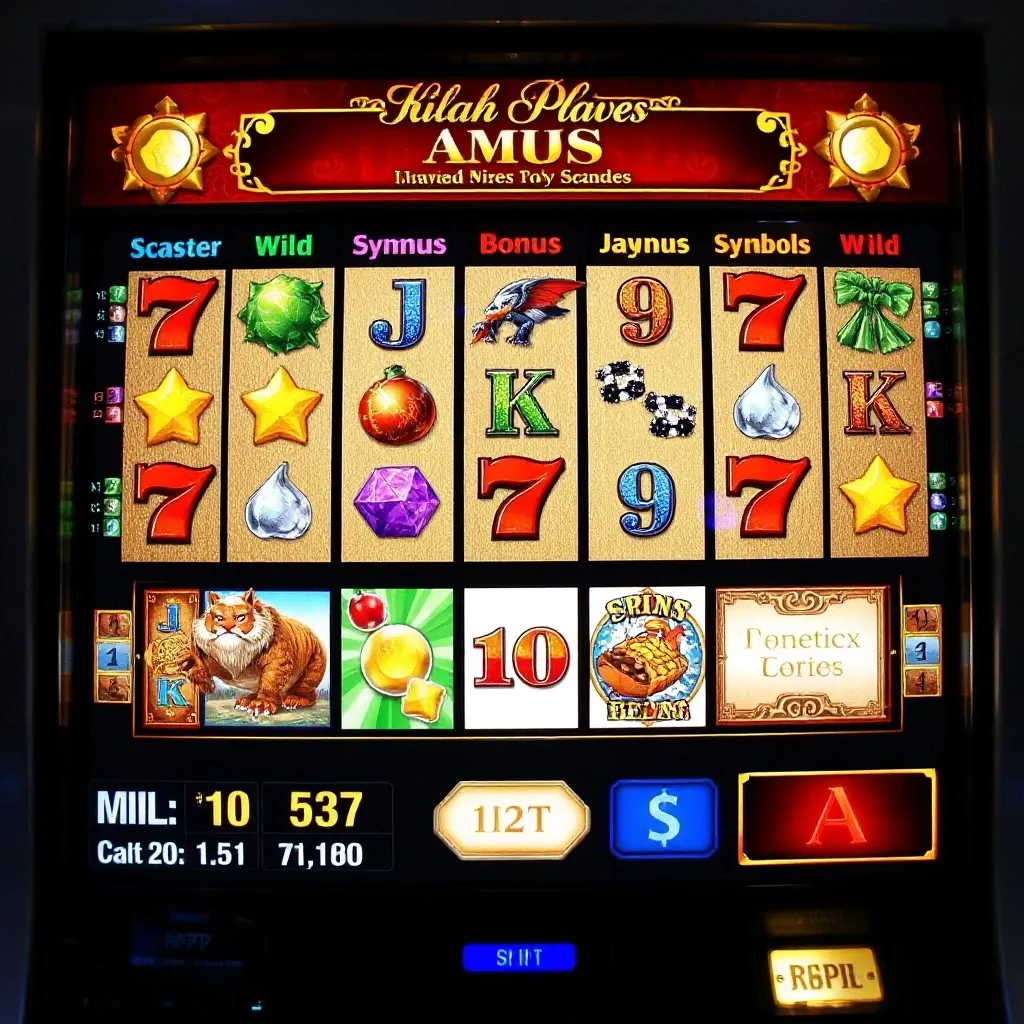
Common Myths About “Loose” Slots (and Why They’re False)
The shimmering lights and alluring sounds of slot machines have captivated gamblers for generations, but this allure also breeds a fertile ground for myths and misconceptions. Among the most persistent is the idea of “loose” slots – machines supposedly programmed to pay out more frequently. Let’s dismantle some of these widespread fallacies.
Myth 1: Loose Slots are Near Entrances or High-Traffic Areas. The reasoning goes that casinos want to lure people in with visible wins. However, slot placement is far more strategic, focused on maximizing overall profitability rather than guaranteeing wins in specific locations. Slots are strategically placed based on visibility and foot traffic patterns, not predetermined payout rates.
Myth 2: A Slot Machine is ‘Due’ for a Payout. This is a classic example of the gambler’s fallacy. Each spin of a slot machine is an independent event, governed by a Random Number Generator (RNG). Past spins have absolutely no influence on future outcomes. Thinking a machine is “due” is like believing a coin is more likely to land on heads after a series of tails. The odds remain the same every single time.
Myth 3: Playing at Certain Times Increases Your Chances. Whether it’s early mornings or late nights, the time of day has zero impact on a slot machine’s payout. RNGs operate continuously, ensuring that every spin is random, regardless of when it occurs.
The Reality: RNG and Confirmation Bias. Modern slot machines use sophisticated RNGs to generate billions of potential outcomes every second. These outcomes are then mapped to specific symbol combinations on the reels. The RNG ensures fairness and randomness. Furthermore, confirmation bias plays a significant role in perpetuating these myths. Gamblers tend to remember wins more vividly than losses, leading them to perceive patterns where none exist. A few small wins on a particular machine might reinforce the belief that it’s “loose,” even if the overall losses far outweigh the gains. Understanding the mechanics of slot machines and the psychology of gambling is crucial to debunking these persistent myths.
Advanced Tactics: Exploring Less Common Strategies
Beyond basic bankroll management and game selection, some gamblers employ advanced tactics that require dedication and a knack for research. These strategies, while not guaranteeing wins, aim to subtly shift the odds in their favor.
One such tactic is geographic arbitrage. The core idea is that the same slot machine, available at different casinos (either online or in different physical locations), might have slightly different Return to Player (RTP) percentages. These subtle differences can exist due to regional regulations, promotional offers, or simply the casino’s strategic choices. Identifying these discrepancies requires diligent research, comparing game rules and payout tables across various platforms. While the advantage might be marginal, consistent exploitation of these small RTP differences could, theoretically, lead to a long-term edge.
Another, even more involved, approach is tracking progressive jackpots. Progressive jackpots increase with every bet placed on a linked machine, eventually reaching a point where the expected payout exceeds the house edge. Keen players monitor these jackpots across multiple casinos, looking for machines nearing their theoretical payout threshold. Reaching this threshold does not guarantee a win. It simply suggests that, statistically, the machine is “due” to pay out a large sum. This strategy demands constant data analysis and a significant time investment, as progressive jackpots can climb slowly and unpredictably. Keep up with the casino promotions, as some casinos boost the jackpots for certain periods. It’s important to remember that patience is key, and responsible gambling is always paramount.
Conclusion
In conclusion, cracking the code to potentially better slot machine payouts isn’t about finding a magic trick; it’s about becoming an informed player. By understanding the intricacies of RTP (Return to Player), volatility, and paytables, you equip yourself with the knowledge to make smarter choices. Remember, scouting machines and observing payout patterns, while not a guarantee, can offer insights into a machine’s behavior.
The most crucial slot machine strategy to remember is that gambling should always be approached responsibly. Chasing losses, exceeding your bankroll, or viewing slots as a source of income are dangerous paths. There’s no expert advice that can overturn the inherent risks of gambling. If you’re ready to put your newfound knowledge to the test, remember to set realistic expectations and gamble responsibly. Resources are available if you need help; don’t hesitate to utilize them.